Kenya’s malaria cases jump 27 per cent to 4.1 million in 2025, WHO report reveals
Kenya registered 4,186,000 cases in 2025, up from 3,294,000 in 2024, an additional 892,000 infections.
Kenya recorded 4.1 million malaria cases in 2025, an increase of 27 per cent from the previous year, moving the country up in both African and global disease burden rankings.
According to the World Health Organisation (WHO) annual World Malaria Report, Kenya registered 4,186,000 cases in 2025, up from 3,294,000 in 2024, an additional 892,000 infections. This surge moved Kenya to 23rd globally from 21st and from 21st to 20th within Africa.
More To Read
- Study warns climate shifts could widen malaria risk across Africa
- KEMRI, Health Ministry warn of potential malaria outbreak in Kakamega
- Taking down malaria’s bodyguards: Scientists target parasite’s secret defence system
- Africa faces looming malaria crisis as funding cuts threaten to reverse progress
- First malaria treatment for babies a major step to ending the disease in Africa – Biochemist
- KEMRI study finds widely used antiparasitic drug cuts malaria transmission by 26 per cent
The country remains classified as high-burden, with malaria continuing to pose a serious public health threat.
The report notes that the spike occurred despite multiple interventions in 2024, including a nationwide insecticide-treated net (ITN) distribution campaign, Indoor Residual Spraying (IRS) under the ITTP programme, expanded Seasonal Malaria Chemoprevention (SMC) and rollout of malaria vaccines in endemic counties.
Kenya’s share of global malaria cases rose from 1.3 per cent in 2023 to 1.5 per cent, now accounting for 5.7 per cent of total estimated global cases. Among children under five, the share similarly increased to 1.5 per cent. The WHO has attributed the rise in malaria partly to a sharp decline in global funding.
“Total malaria funding decreased by about 50 per cent between 2015 and 2024, from $879 million to $439 million, marking one of the sharpest contractions in global malaria investment in the last decade. This reduction has created serious gaps in prevention, diagnostics and treatment financing, particularly in high-burden countries that rely heavily on external support,” reads the report.
The shortfall followed a pause in US foreign aid and withdrawal of personnel from WHO programmes in 2024, affecting initiatives such as PEPFAR.
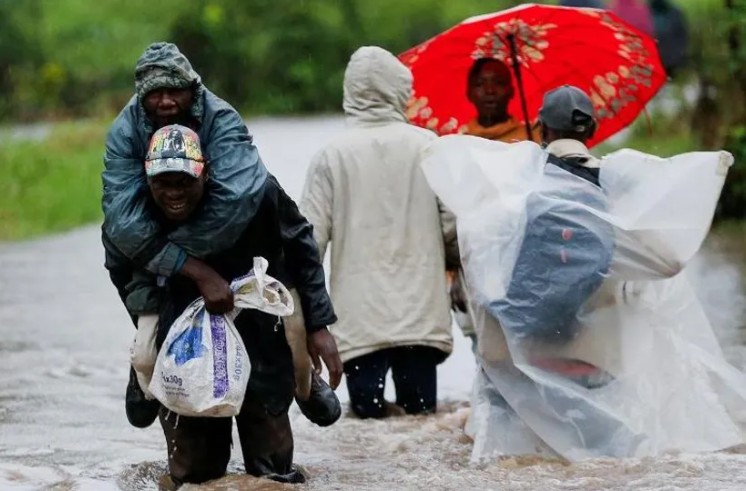
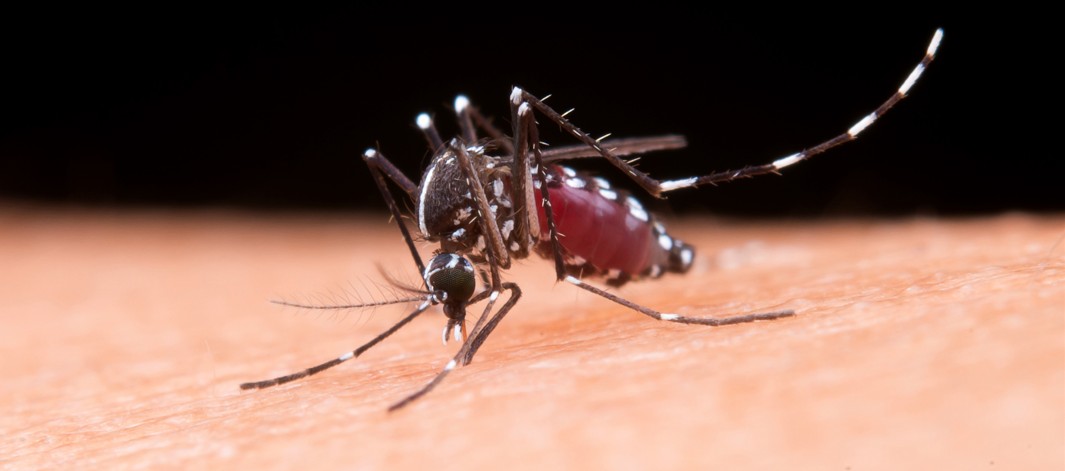
Climate change and extreme weather also contributed to increased transmission. The organisation notes that shifting rainfall patterns, rising temperatures and extended rainy seasons, combined with flooding in several regions, created ideal breeding conditions for Anopheles mosquitoes, the vectors that transmit malaria.
Despite the challenges, the WHO estimates that new tools prevented an estimated 170 million cases and one million deaths in 2024 globally.
It notes that dual-ingredient nets and vaccines are increasingly integrated into national health systems, with 24 countries rolling out malaria vaccines since 2021 and SMC reaching 54 million children in 2024, up from 0.2 million in 2012.
Significant progress has also been made in elimination efforts, with 47 countries and one territory certified malaria-free by the WHO. Cabo Verde and Egypt were certified in 2024, while Georgia, Suriname, and Timor-Leste joined in 2025.
Yet, malaria remains widespread, with 282 million cases and 610,000 deaths reported globally in 2024, mostly in Africa and largely among children under five.
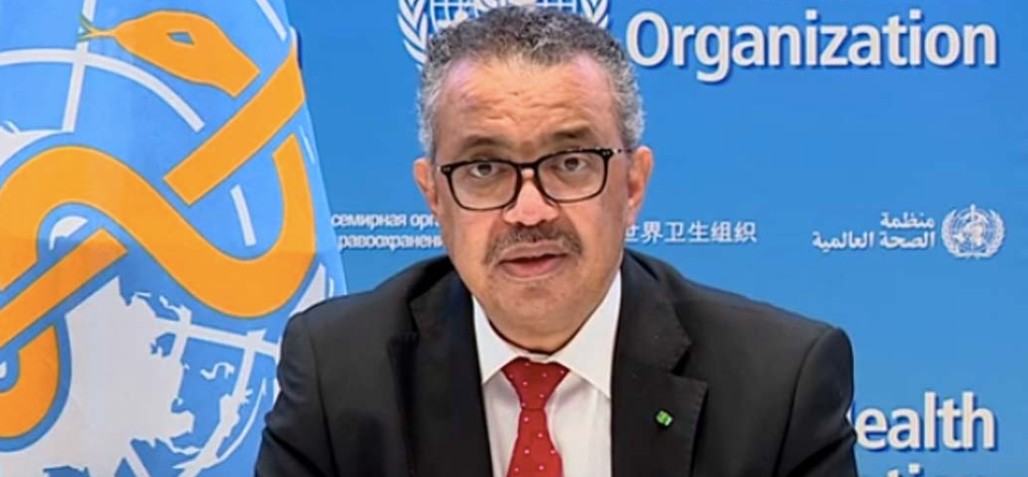
“New tools for the prevention of malaria are giving us new hope, but we still face significant challenges. Increasing numbers of cases and deaths, the growing threat of drug resistance and the impact of funding cuts all threaten to roll back the progress we have made over the past two decades. However, none of these challenges is insurmountable. With the leadership of the most-affected countries and targeted investment, the vision of a malaria-free world remains achievable,” WHO Director-General Tedros Adhanom Ghebreyesus said.
The organisation, however, highlights rising antimalarial drug resistance, particularly to artemisinin derivatives, with confirmed or suspected resistance in at least eight African countries.
It also points to biological and environmental challenges, including pfhrp2 gene deletions affecting rapid diagnostic tests, pyrethroid-resistant mosquitoes in 48 countries, and the spread of Anopheles stephensi in nine African nations.
Conflict, instability and stagnant funding further hamper access to timely diagnosis and treatment.
WHO has now called for sustained political commitment, adequate financing and unified action under initiatives such as the Yaoundé Declaration and Big Push to accelerate progress toward a malaria-free world.
Top Stories Today